Select Item below to DOWNLOAD - Once item is selected, right click and choose 'save as'



8a8e1eb98af2492dab6abbd4a28f14ad
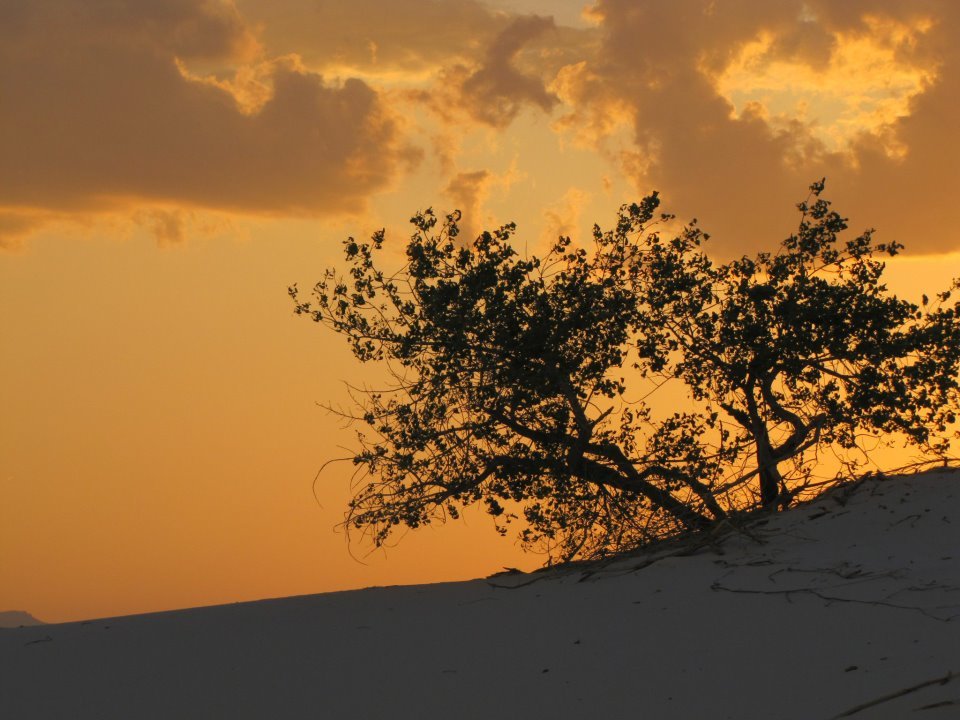
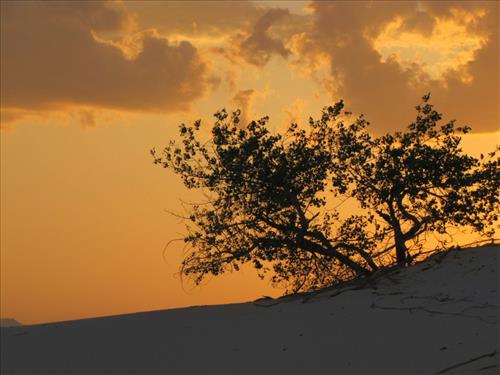
Sunset over the dunes, White Sands National Park, 2012.
Generally, sand is categorized in one of two ways: mineral sand or organic sand. Mineral sands form by geologic forces. Most sand on earth is made of the mineral quartz, made from the weathering of granite, sandstone or limestone. Sand color depends on the mineral. The PInk Coral Reef Dunes are stained by rusting hematite (iron). The green sands of Hawaii and Guam are made of olivine (which is green) eroded from basaltic lava flows. Black sand may result from gold hematite and magnetite or volcanic basalt. Organic sand forms through completely different processes. Most organic sands are found on tropical beaches near coral reefs. This is because shells of clams and snails along with large amounts of fish poop form organic sands. Interestingly, certain fish (for example, parrot fish) are able to bite off pieces of coral reefs, digest and excrete coral rock. All of these organic ingredients wash ashore, forming iconic white sandy beaches.
U.S. National Park Service
Permission must be secured from the individual copyright owners to reproduce any copyrighted materials contained within this website.
Public domain
Image
White Sands National Park, Code: WHSA
Title: White Sands National Monument
URL: https://www.facebook.com/White-Sands-National-Monument-Managed-by-White-Sands-Park-Rangers-174432742589952/
URL: https://www.facebook.com/White-Sands-National-Monument-Managed-by-White-Sands-Park-Rangers-174432742589952/
20120303
03/03/2012
Public Can View
Organization: White Sands National Monument
Address: PO Box 1086, Holloman AFB, NM 88330
Address: PO Box 1086, Holloman AFB, NM 88330
Thursday, December 8, 2016 6:35:36 PM
Thursday, August 10, 2017 1:49:29 AM
sunset.jpg
Monday, January 1, 0001 12:00:00 AM
jpg
120.6 kB
Scenic