Select Item below to DOWNLOAD - Once item is selected, right click and choose 'save as'

cdaeb100-2883-469f-8110-35cc59b2de07
Stono Slave Rebellion at Elliot and Rose Plantations_Charleston County Park & Recreation Commission_ND_Photo 1.jpg
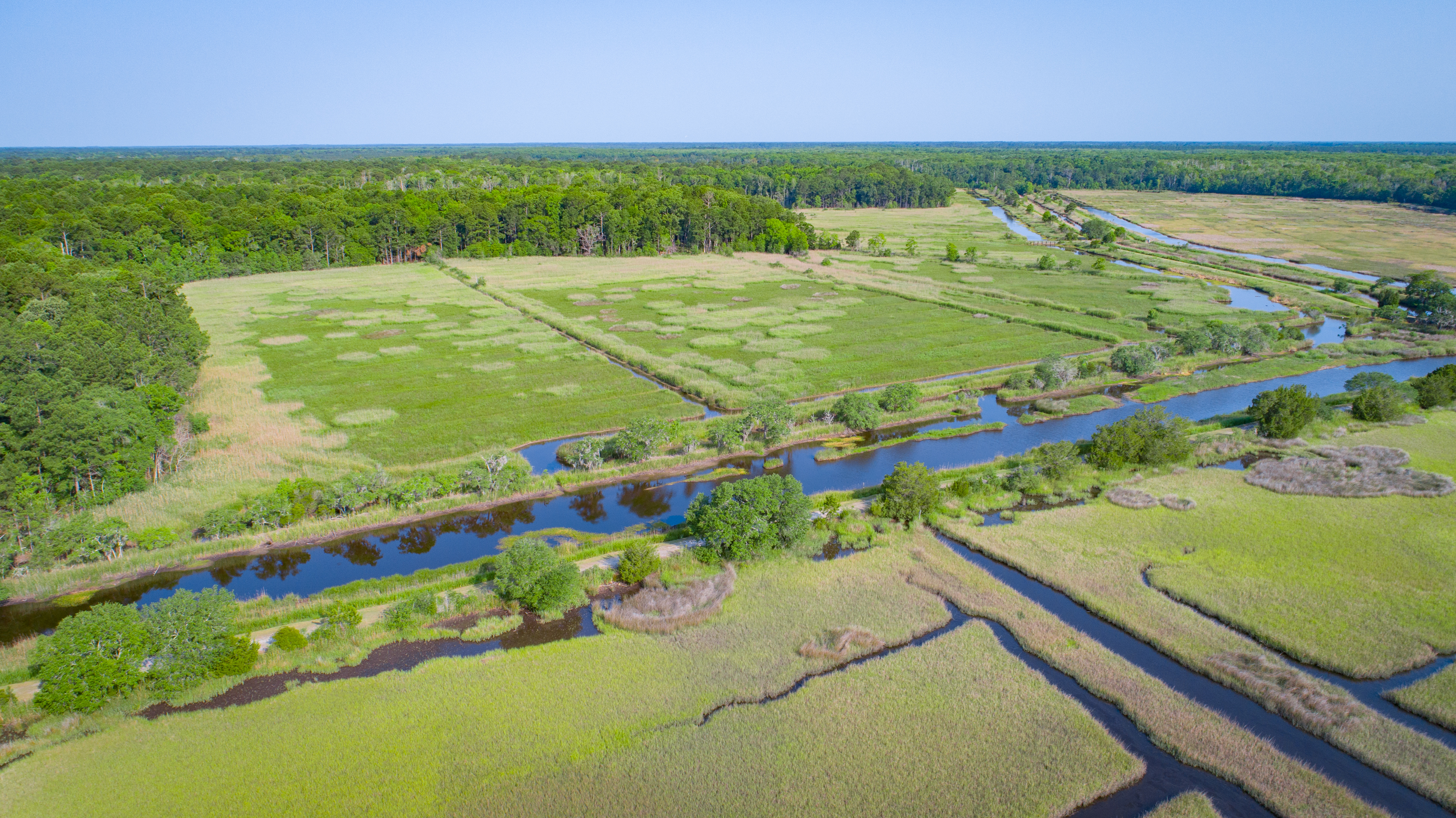
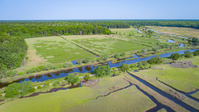
Wide, open fields with wetlands surrounding. This aerial photograph shows a river cutting through the fields, with what looks like irrigation systems in place to water crops.
The Stono Slave Rebellion on September 9, 1739 is the largest organized violent resistance to slavery in British Colonial North America. Caw Caw Interpretive Center, owned and operated by Charleston County Parks, is the site of the Elliott and Rose plantations, two plantations attacked by freedom seekers. During their march between the Stono and Edisto Rivers their ranks grew, they armed themselves, and they shouted “Liberty.” Their final goal was promised freedom in Spanish Florida, 250 miles away. Approximately fifteen miles into their journey the freedom fighters engaged with white militia. Some were killed in battle, many were captured, some of whom were executed while others were returned to their enslavers, and some escaped. The Stono Rebellion led to heightened fear of slave uprisings amongst white citizens and the establishment of strict slave codes enforced until emancipation.
Permission must be secured from the individual copyright owners to reproduce any copyrighted materials contained within this website. Digital assets without any copyright restrictions are public domain.
Charleston County Park & Recreation Commission
Public domain:Full Granting Rights
Image
National Underground Railroad Network to Freedom Program, Code: UGRR
01/01/0001
Public Can View
Monday, April 26, 2021 2:16:35 PM
Monday, April 26, 2021 2:16:35 PM
Stono Slave Rebellion at Elliot and Rose Plantations_Charleston County Park & Recreation Commission_ND_Photo 1.jpg
Monday, January 1, 0001 12:00:00 AM
jpg
5.8 MB
Scenic