Select Item below to DOWNLOAD - Once item is selected, right click and choose 'save as'




2b0037757f0d462a8a052c0bcaa856ba
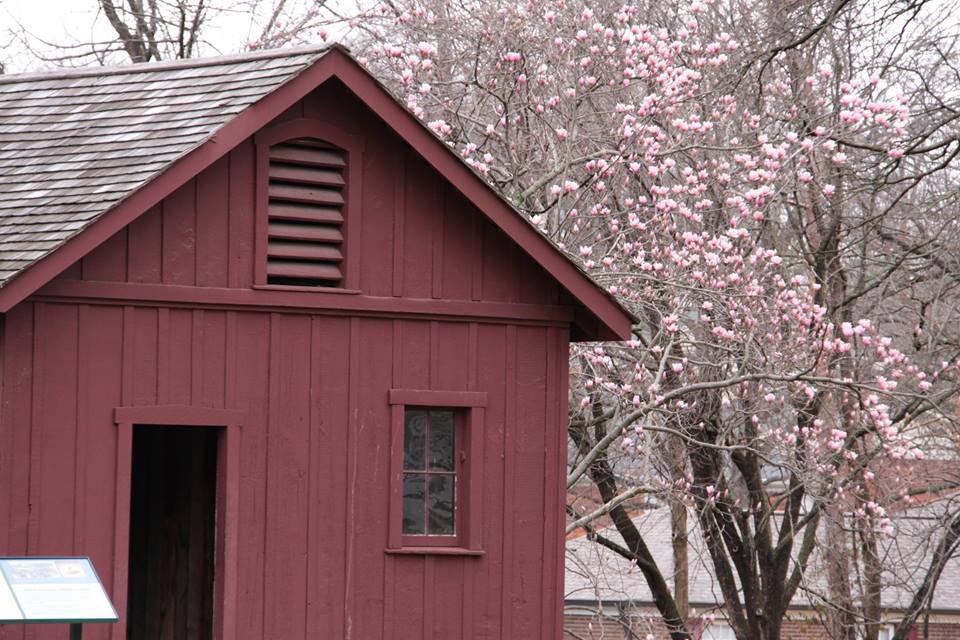
Tulip magnolia (Magnolia liliiflora) blooming, Ulysses S Grant National Historic Site, 2016.
This large genus contains about 210 flowering species and is named after French botanist Pierre Magnol. Interestingly, this genus (Magnolia) appears in the fossil record before bees and it is theorized that these plants evolved to encourage pollination by beetles instead. To avoid damage by pollinating beetles the flowers are etremely tough. This tulip magnolia, also called puple magnolia, lily magnolia, jane magnolia and woody orchid, just to name a few, is native to China but has been cultivated for ceturies elsewhere. It was introduced to English-speaking countries from its cultivated Japanese origins so is also sometimes referred to as Japanese magnolia.
U.S. National Park Service
Permission must be secured from the individual copyright owners to reproduce any copyrighted materials contained within this website.
Public domain
Image
Ulysses S. Grant National Historic Site, Code: ULSG
20160313
03/13/2016
Public Can View
Organization: Ulysses S Grant National Historic Site
Address: 7400 Grant Road, St. Louis, MO 63123
Address: 7400 Grant Road, St. Louis, MO 63123
Thursday, December 8, 2016 7:11:31 PM
Wednesday, August 9, 2017 3:33:40 PM
bloom3.jpg
Monday, January 1, 0001 12:00:00 AM
jpg
123.2 kB
Scenic